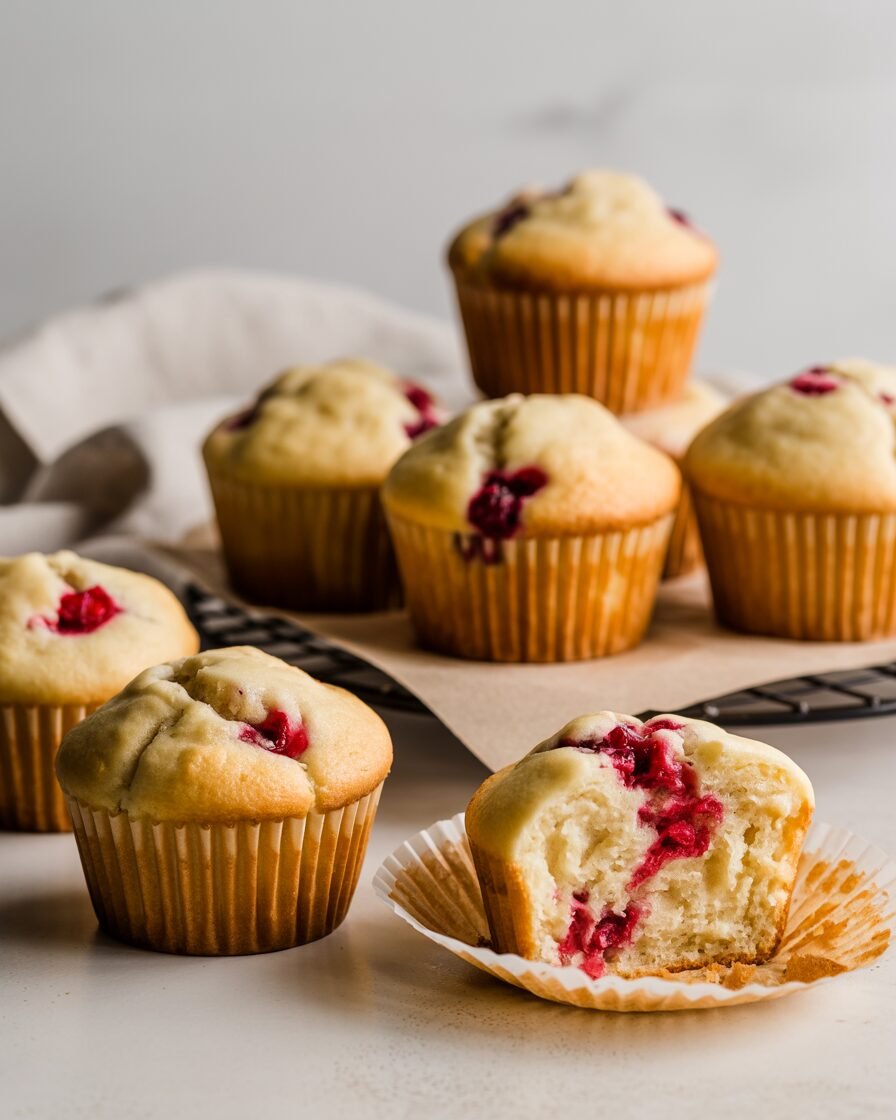
Oil vs. Butter: The Secret to Long-Lasting Moist Cranberry Muffins
Few treats evoke the comfort and joy of a perfectly baked cranberry muffin. That enticing balance of bright, tart cranberries nestled in a sweet, tender crumb is a morning ritual or afternoon delight many bakers strive to achieve. While the allure of
bakery-style cranberry muffins with tall domes and a moist crumb is universal, the secret to maintaining that irresistible texture for days often boils down to a fundamental baking choice: oil or butter?
For generations, butter has been the darling of the baking world, celebrated for its rich flavor and ability to create flaky pastries and tender cakes. Yet, when it comes to the specific goal of crafting cranberry muffins that remain remarkably soft and moist even after a few days, baking science points to a clear winner. Uncover the overlooked power of a simple ingredient that can transform your homemade cranberry muffins from delicious to truly extraordinary, ensuring every bite is as fresh and satisfying as the first.
The Classic Conundrum: Butter's Charm vs. Oil's Unsung Heroism
Ask any home baker, and you'll find a passionate divide when it comes to fat in baking. Butter, with its golden hue and complex dairy notes, is often considered non-negotiable. It lends an undeniable richness and contributes to a beautiful golden crust, which is why recipes like Ina Garten’s often feature it, creating that classic "buttery texture" that many associate with comfort baking. Indeed, for some, the idea of *always using butter* for a sweet vanilla muffin base with a pop of acidic cranberry is sacrosanct. This traditional approach yields muffins with a distinct flavor and a crumb that can be delightfully tender when fresh.
However, butter has a secret life after baking: it solidifies as it cools. While this contributes to flakiness in pies and firmness in cookies, it can lead to a denser, sometimes drier texture in muffins as they age. This is where oil steps onto the stage as the unsung hero, particularly for recipes designed for longevity. Unlike butter, neutral oils remain liquid at room temperature, a seemingly minor detail that holds the key to muffins that defy the typical dry-out cycle. When our goal is a cranberry muffin that feels just as fresh on day three as it did straight from the oven, understanding the science behind these fats becomes paramount.
Why Oil Reigns Supreme for Long-Lasting Moist Cranberry Muffins
The distinction between oil and butter in the context of long-lasting moisture isn't just a matter of preference; it's rooted firmly in baking science. The primary reason oil excels in keeping cranberry muffins soft for days lies in its interaction with flour proteins and its physical state.
1.
Gluten Inhibition: Flour contains proteins that, when hydrated and agitated, form gluten – the network that gives baked goods their structure. While some gluten is desirable, too much can lead to a tough, dense muffin. Oil, being purely fat, coats flour proteins more effectively than butter. This superior coating acts as a barrier, preventing the proteins from fully interacting and forming strong gluten bonds. The result? A significantly more tender crumb that feels lighter and softer.
2.
Sustained Moisture Retention: As mentioned, oil stays liquid at room temperature. This means that throughout the shelf life of your muffin, the fat particles within the crumb remain fluid, continually contributing to a sensation of moisture. Butter, on the other hand, solidifies, trapping moisture less effectively and often leading to a crumb that feels drier and more brittle over time. This is precisely why using a neutral oil like canola or sunflower oil is crucial for cranberry muffins designed to stay soft for days.
3.
Neutral Flavor Profile: Neutral oils, as their name suggests, have a very mild flavor profile. This allows the stars of your muffin – the bright, tart cranberries, perhaps a hint of orange zest, and the sweet vanilla notes – to truly shine without competition from a strong buttery taste. This enhances the overall sensory experience, ensuring every bite is dominated by the intended fruit and spice.
By making the conscious choice to use oil instead of butter, you're not sacrificing flavor; you're optimizing for texture and longevity, unlocking the secret to cranberry muffins that are consistently tender and moist.
Beyond the Fat: Other Secrets to Irresistible Cranberry Muffins
While the choice of fat is a major player, achieving truly exceptional, bakery-style cranberry muffins involves a symphony of carefully balanced ingredients and techniques. The path to perfection extends beyond just oil, incorporating clever methods to ensure every muffin is a masterpiece of texture and taste. For a deeper dive into the mechanics of these delightful treats, explore
Easy Cranberry Muffins: The Science Behind Perfect Tart & Tender Bites.
1.
The Magic of Sugared Cranberries: No More Sinking Fruit!
One of the most frustrating muffin woes is biting into a beautiful dome only to find all the fruit has sunk to the bottom. The solution is surprisingly simple yet incredibly effective: lightly coating fresh or frozen cranberries with a tablespoon of granulated sugar before folding them into the batter. This technique does several things:
*
Prevents Sinking: The sugar creates a slightly tacky surface that helps the cranberries "grip" the batter, preventing them from gravitating to the bottom of the muffin cups during baking. This ensures an even distribution of ruby-red fruit throughout every bite.
*
Softens Skins & Enhances Flavor: The sugar slightly breaks down the cranberry skins as they bake, leading to a more tender texture. It also helps the natural tartness of the cranberries mellow slightly and integrate beautifully with the sweet batter.
*
Prevents Soggy Bottoms: By keeping the high-moisture cranberries suspended, you avoid a concentrated layer of wet fruit at the base of the muffin, which can lead to undesirable sogginess.
2.
The Power of Acidity and Leavening: Buttermilk for Tenderness and Lift
The combination of baking powder and an acidic dairy, such as buttermilk, is a cornerstone of light and airy muffins. Buttermilk reacts with the baking powder, producing carbon dioxide gas bubbles that provide a steady, consistent rise. This acid-base reaction is key to achieving those coveted tall domes and helps the muffins stay exceptionally soft rather than dense. The acidity of the buttermilk also contributes to the overall tenderness of the crumb, breaking down some of the flour proteins and ensuring a delicate texture.
3.
The High-Heat Shock: Achieving Bakery-Style Domes
Ever wonder how bakeries get those beautifully domed muffin tops? It's often due to a clever temperature trick. Starting your cranberry muffins in a very hot oven (around 220°C / 425°F) for the initial 5 minutes encourages rapid steam expansion. The sudden burst of heat causes the moisture in the batter to quickly convert to steam, pushing the batter upwards and creating those impressive, airy tops before the structure fully sets. After this initial blast, reducing the oven temperature allows the muffins to cook through gently without over-browning.
4.
Balanced Ingredients for Harmonious Texture
Every ingredient plays a vital role. A carefully chosen fat-to-flour ratio ensures the crumb is tender without being greasy or dry. A mix of granulated and light brown sugar not only adds sweetness but also moisture, with brown sugar contributing a lovely subtle caramel note. Even a pinch of fine salt is crucial for enhancing flavor and balancing the cranberries' natural acidity. All these elements work in concert to create a cranberry muffin that is perfectly balanced in every aspect.
Crafting Your Perfect Batch: Essential Tips for Success
To ensure your cranberry muffins embody all these fantastic qualities, consider these practical tips:
*
Measure Accurately: Especially for dry ingredients, using a kitchen scale for precise measurements (like 240g flour, 150g sugar, 90g oil) makes a significant difference in consistency and texture.
*
Don't Overmix: After combining wet and dry ingredients, mix just until no streaks of flour remain. Overmixing develops gluten, leading to tough muffins. A few lumps are perfectly fine!
*
Quality Oil Matters: Choose a neutral oil like canola, sunflower, or grapeseed for the best results, ensuring no unwanted flavors interfere with your cranberries.
*
Embrace the Zest: Orange zest is a natural pairing with cranberries, adding a bright, aromatic lift that complements their tartness beautifully. Don't skip this optional but highly recommended ingredient.
*
Preheat Thoroughly: Ensure your oven is fully preheated to the initial high temperature. This 'heat shock' is crucial for those magnificent domes. An oven thermometer can be a valuable tool.
*
Even Portions: An ice cream scoop helps create uniformly sized muffins that bake evenly.
Conclusion
The journey to crafting the perfect, long-lasting moist cranberry muffin is a delightful exploration of baking science and technique. While butter holds a special place in the hearts of many bakers, understanding the unique properties of oil reveals it to be the true secret weapon for achieving muffins that remain tender and incredibly moist for days. Paired with clever tricks like sugaring your cranberries, utilizing the power of buttermilk, and employing high-heat baking, you can consistently produce bakery-quality cranberry muffins right in your own kitchen. So, the next time you embark on a baking adventure, remember the unsung hero that is oil, and prepare to savor cranberry muffins that stay wonderfully fresh, bite after delicious bite.